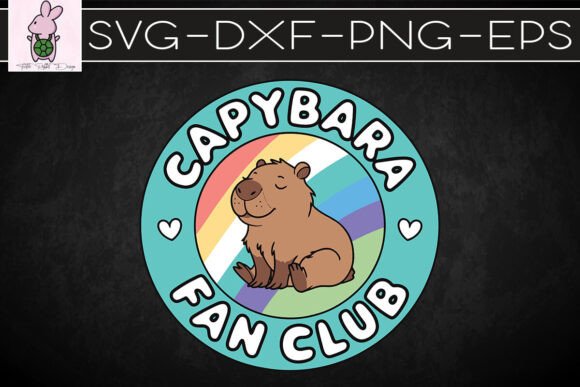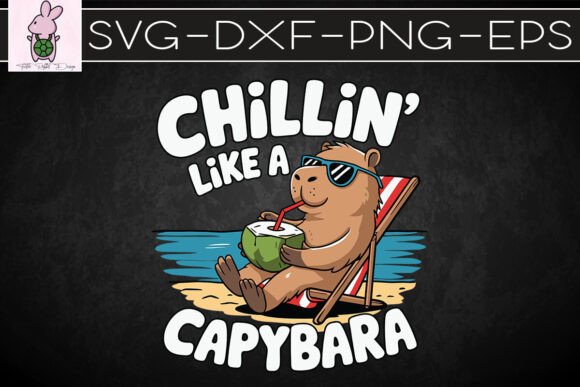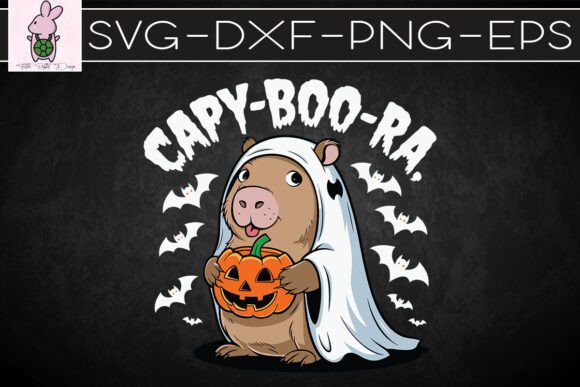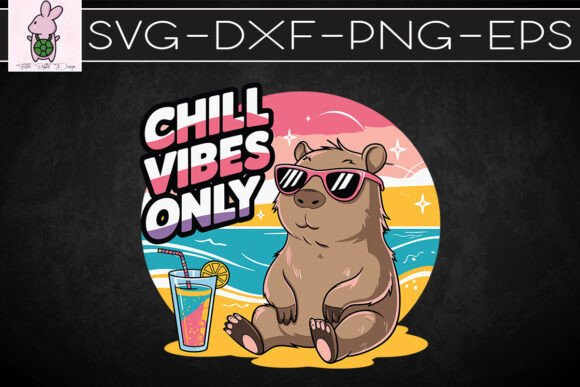
Anatomy of a Capybara Cute SVG
As someone who’s stitched capybaras onto baby onesies, embroidered them onto linen tea towels for boutique gift sets, and tested dozens of “cute animal” SVGs for commercial embroidery projects, I opened Anatomy of a Capybara Cute SVG expecting charm—and got something more: quiet confidence. It doesn’t shout. It smiles. That matters when you’re choosing a machine embroidery design that’ll live on a handmade product customers hold, wash, gift, or display.
A Design That Feels Like a Thoughtful Choice—Not Just a Trend
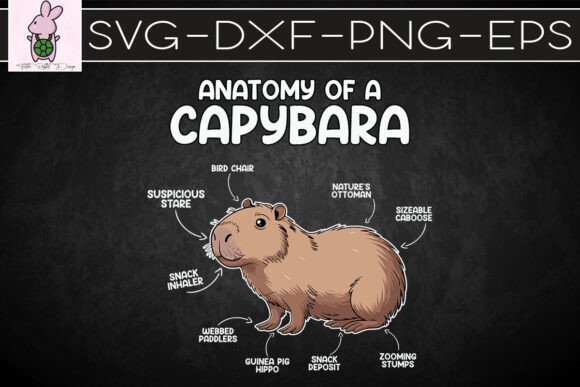
The first thing that stands out is balance: soft curves, generous negative space, and just enough anatomical whimsy (a tiny heart-shaped ear notch, a gentle curve to the jawline) to suggest intelligence—not cartoon exaggeration. This isn’t a mascot built for logos or vector stickers alone. It’s drawn with stitch logic in mind: no razor-thin limbs, no overlapping fine lines that vanish under satin stitch, no clustered details that turn muddy on cotton twill. The shape reads clearly at 3.5 inches wide—the sweet spot for a tote bag design or sweatshirt chest placement—and scales down cleanly to 2 inches for baby embroidery without losing its friendly presence.
Where It Shines in Real Embroidery Projects
I tested Anatomy of a Capybara Cute SVG as a custom embroidered patch for a small-batch apron line—and it performed exactly as hoped. The outline held crispness through dense fill stitch, and the subtle contouring in the snout translated into gentle dimensionality, not stiffness. On a lightweight organic cotton tea towel? Perfect. The design’s moderate stitch density kept fabric drape intact, and the clean silhouette meant no ghosting through to the reverse side.
It’s also ideal for personalized gifts where warmth matters: think nursery decor pillow covers, holiday embroidery on flannel baby blankets, or monogrammed sweatshirts for kids’ birthday parties. As an Etsy seller, I’d list it alongside “cute animal” digital embroidery files—but position it apart from busier, flashier designs. Customers searching for “calm,” “gentle,” or “minimalist animal embroidery” will pause here. That kind of resonance builds trust faster than any sales copy.
Where to Use It With Intention—Not Assumption
This isn’t a one-size-fits-all embroidery file. Its strength lies in restraint—and that means knowing where to pause. Avoid cramming it into a 2-inch hoop on stretchy jersey; the gentle curves need stable ground. On dark fabric? Test thread colors carefully—light tans or warm greys read softer and truer than stark white, which can flatten the form. And while it works beautifully on caps, skip the curved peak unless you’ve confirmed your embroidery software can auto-adjust for distortion. The ears and eyes are detailed enough to blur if stretched across tight curvature.
Also note: the design’s charm lives in its simplicity. Don’t over-layer it with heavy applique or dense background quilting—it’s not built for visual competition. Let it breathe. That breathability is what makes it work so well on minimalist apparel, handmade shop merchandise, and printable mockups for digital product previews.
What It Adds to Your Finished Product—Beyond the Stitch
Anatomy of a Capybara Cute SVG quietly elevates perceived value. It feels intentional—not algorithmically generated or trend-chasing. When stitched onto a linen kitchen towel or a hand-dyed tote, it signals care in curation. That translates directly to customer engagement: buyers comment on “the peaceful vibe,” “how well it fits the brand,” or “how much cuter it is than other capybara designs.” That kind of organic feedback is gold for a craft business.
For commercial embroidery, it holds up professionally. No jagged vectors, no inconsistent line weights—just clean, scalable graphics ready for digitizing. Whether you’re preparing a client’s custom embroidered patch order or building a cohesive set of small shop products, this design supports brand consistency without demanding rigid repetition. It’s flexible enough for seasonal color swaps (think sage green thread for spring, terracotta for fall), yet distinct enough to become a signature motif.
Practical Notes Every Embroidery Designer Should Check
- Always test on scrap fabric first—especially if stitching on textured weaves or blends. What looks balanced on screen may shift subtly under needle tension.
- Review stitch density before scaling. If enlarging beyond 4 inches, check whether fill areas stay breathable. Overly dense regions can stiffen lightweight fabrics.
- Confirm hoop size compatibility. While described as “cup-sized,” verify exact dimensions in your embroidery software—some “cute SVG” files assume 4x4 hoops, others push into 5x7 territory.
- Inspect small details at actual stitch size. Zoom in on the eye shape and ear contours in your digitizing preview. Do they translate clearly—or collapse into noise?
- Test black-and-white mockups. Does the silhouette retain its personality without color? That’s your baseline for versatility.
- Use appropriate stabilizer. Medium-weight cutaway works best for structured items like patches or sweatshirts; tear-away suffices for stable woven fabrics like tea towels or pillow covers.
- Verify licensing terms before selling finished products or bundling Anatomy of a Capybara Cute SVG into digital embroidery kits. Not all Graphics category files permit commercial redistribution—even if they’re marketed for craft business use.
At its core, Anatomy of a Capybara Cute SVG is a reminder that great embroidery design isn’t about complexity—it’s about clarity, context, and quiet intention. It fits naturally into Crafts workflows, supports thoughtful product storytelling, and earns its place in a designer’s trusted kit of digital embroidery files—not because it’s flashy, but because it works, consistently, kindly, and well.