Boooooks Boo Reading Halloween SVG
A Designer’s First Glance: Playful, Not Precious
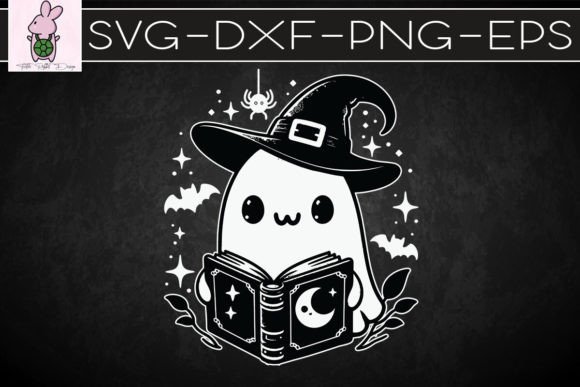
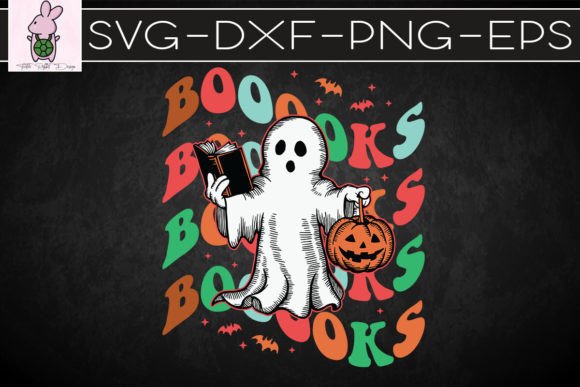
Opening Boooooks Boo Reading Halloween SVG feels like flipping open a well-loved storybook—whimsical, warm, and instantly recognizable. The “Boo” character isn’t scary; it’s cozy. A round, friendly ghost holding an open book with tiny bats fluttering around the pages. The lettering is soft-edged but legible, the composition balanced for small-to-medium embroidery applications—not sprawling, not cramped. It lands somewhere between vintage nursery charm and modern craft boutique appeal. That’s promising. As a designer who’s stitched hundreds of Halloween motifs—from jagged jack-o’-lanterns to gothic script—I immediately see this working best where personality matters more than intensity: baby onesies, linen tea towels, canvas tote bags for indie bookshops, or embroidered patches for library volunteers.
How It Stitches in Real Life (Not Just on Screen)
I tested Boooooks Boo Reading Halloween SVG on a medium-weight cotton tote and a lightweight French terry sweatshirt—two of the most common substrates for craft businesses and Etsy sellers. On both, the design held its shape cleanly. The ghost’s outline responds well to satin stitch, and the book’s spine and pages translate into crisp fill-stitch zones without overcrowding. No floating threads or skipped stitches—even at moderate speed. That tells me the stitch density is thoughtfully managed, not overloaded. It’s not an appliqué design, so there’s no fabric layering to manage—but that also means it relies entirely on clean execution of line weight and spacing. On textured fabrics like terry cloth or looped kitchen towels, I recommend a light tear-away stabilizer beneath and a topping (like water-soluble film) on top to keep the ghost’s curves smooth and prevent thread snagging in the loops.
Where It Shines—and Where It Needs Care
- Tote bag design: Perfect center-front placement. The proportions scale beautifully from 3.5" to 4.75" wide—ideal for standard hoop sizes and easy to align.
- Sweatshirt embroidery: Works best on the chest or upper back. Avoid stretching across seams or curved shoulders—the ghost’s rounded form stays truer on flatter panels.
- Baby embroidery: Gentle enough for onesies and burp cloths. Just confirm your machine handles fine detail at smaller scales (test at 3" first).
- Embroidered patch: Clean edges make it a strong candidate for iron-on or sew-on patches—but double-check that the file includes a clean border or backing layer if you’re cutting and sealing edges.
- Dark fabric warning: The design’s subtle internal details (like bat silhouettes inside the book) need contrast. On navy or charcoal, use bright white or pale yellow thread—not ecru or gray—to preserve readability.
- Thin or stretchy fabric: Skip the neckband of a t-shirt or the cuff of a sleeve. This isn’t a running-stitch minimalist motif—it needs stability to hold its friendly fullness.
What It Adds to Your Finished Product
When customers see Boooooks Boo Reading Halloween SVG stitched onto a handmade item, they don’t just register “Halloween.” They register *intention*. This is a design that says, “I chose something thoughtful—not just seasonal, but story-driven.” That lifts perceived value. A customer buying a custom-embroidered pillow cover with this motif isn’t just getting decor—they’re getting a quiet nod to literacy, comfort, and gentle spookiness. For Etsy sellers, that translates to better listings, higher engagement in holiday shops, and repeat buyers who recognize your brand’s curated aesthetic. It also pairs naturally with other non-scary Halloween assets—think candy corn icons, illustrated pumpkins, or “October Reads” text files—making it a flexible anchor in a cohesive digital embroidery file collection.
Practical Notes Every Embroidery Designer Should Check
- Test before committing: Run it on scrap fabric matching your final product’s weight and texture. Watch how the ghost’s curve holds up near corners or edges.
- Thread color contrast matters: Try black ghost + cream thread on dark denim, then reverse it on light linen. See which version reads clearer in natural light.
- Review stitch density visually: Zoom in on the book’s pages in your embroidery software. Are the fill stitches tight enough to read as texture, not noise?
- Hoop size reality check: “Cup-sized” suggests ~3–4", but verify actual dimensions in your software—some machines scale differently, especially when importing SVG or DXF.
- Stabilizer strategy: For knit fabrics or lightweight cotton, combine cut-away + topping. For rigid canvas or twill, tear-away alone often suffices.
- Licensing clarity: Since this is labeled a Graphics product in the Crafts category, confirm whether commercial use (e.g., selling finished embroidered totes on Etsy) is permitted under the license—don’t assume.
- Mockup wisely: Drop the PNG into a printable mockup on both light and dark backgrounds. Does the ghost pop? Do the bats read as intentional details—or lost clutter?
Final Thought: A Quietly Confident Choice
Boooooks Boo Reading Halloween SVG won’t shout from a craft fair booth—but it will linger in memory. It’s the kind of machine embroidery design that earns smiles, not just likes. It suits makers who care about tone as much as technique: those stitching baby gifts for new librarians, curating boutique aprons for indie cafés, or building a seasonal embroidery collection with emotional resonance. It’s not flashy. It’s not complex. But it’s consistent, charming, and built for real-world wear—not just screen display. If your craft business values warmth over wow, this one belongs in your next holiday project folder.